Every summer, homeowners throughout Decatur and Metro Atlanta experience intense afternoon thunderstorms that bring heavy rain, lightning, strong winds, and sudden power outages. While the rain itself usually isn’t harmful to your air conditioner, lightning strikes, electrical surges, fallen debris, and flooding can all cause significant damage to your HVAC system.
If your air conditioner suddenly stops working after a storm, or simply doesn’t seem to cool your home as well as it did before, it’s important to have it inspected before a small issue becomes a much more expensive repair. At American Energy Heating & Air, we help Decatur homeowners diagnose and repair storm-related HVAC problems quickly so they can stay comfortable during Georgia’s hottest months.
Can Rain Damage an Air Conditioner?
This is one of the most common questions homeowners ask after a summer storm.
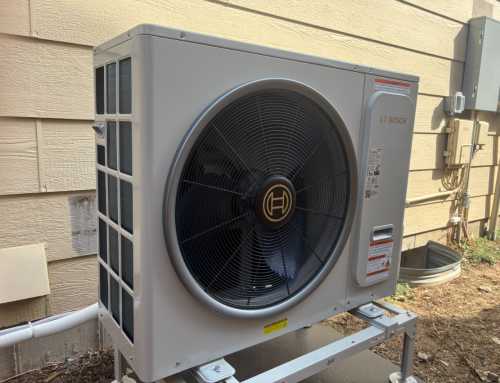
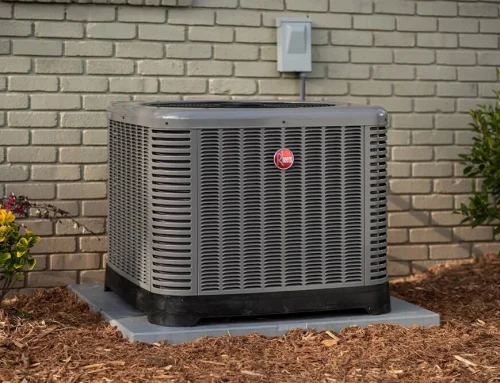
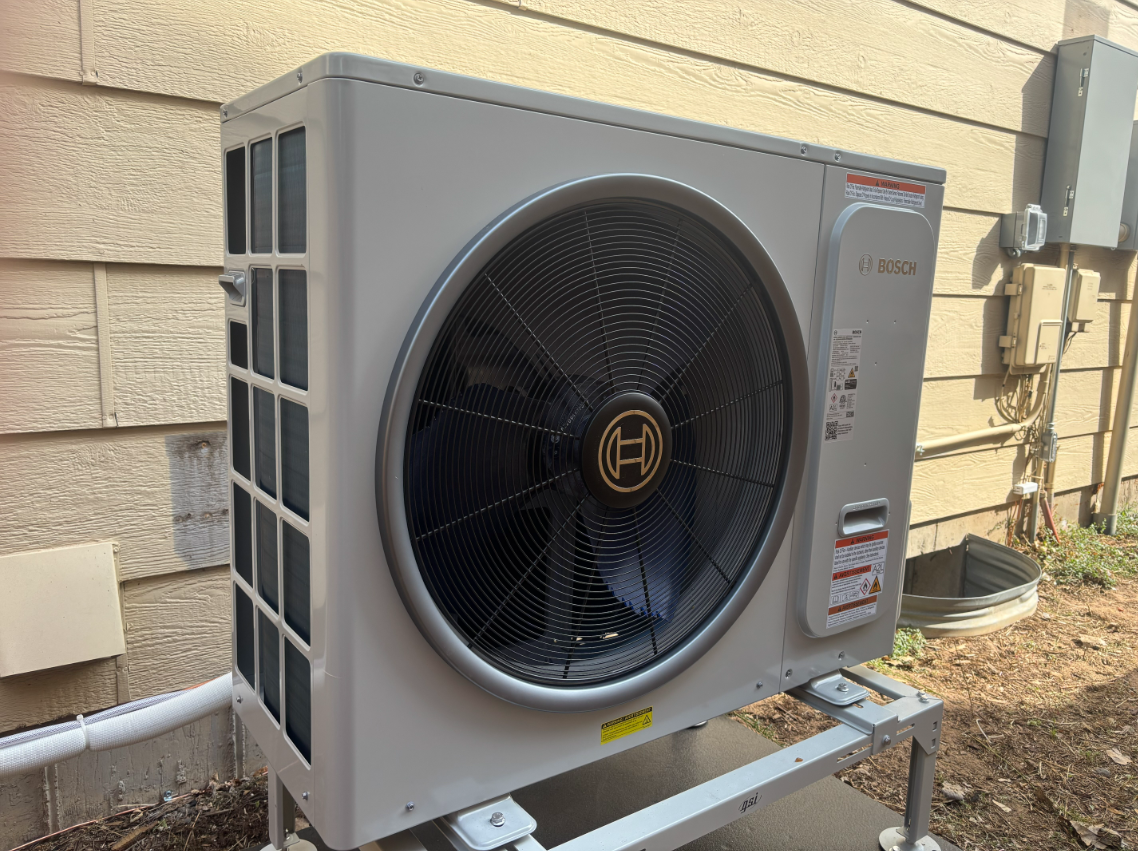
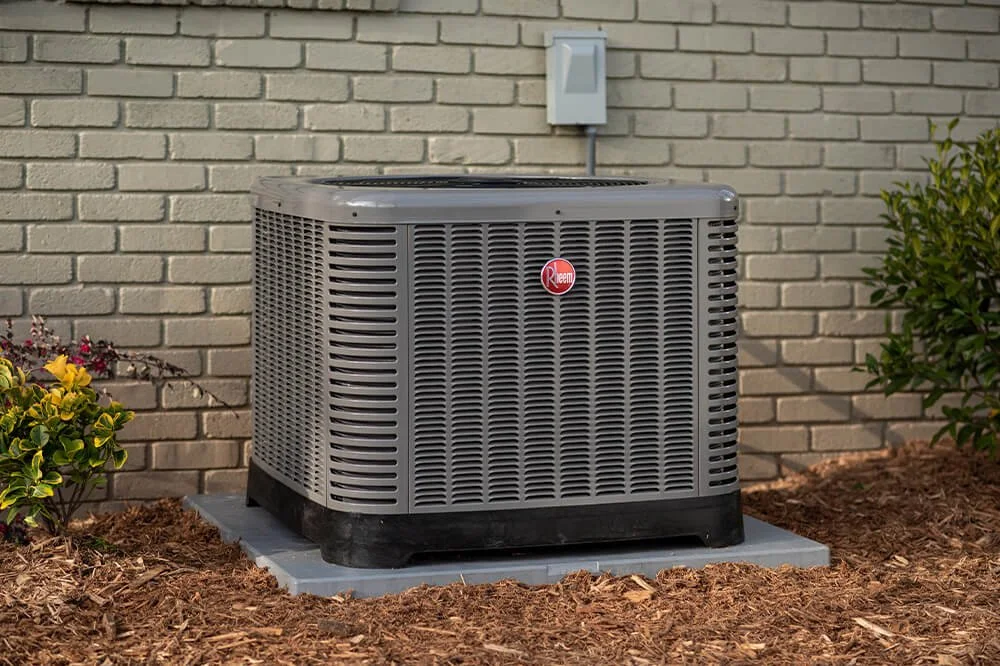
The good news is that modern outdoor air conditioning units are specifically designed to withstand rain. The condenser is built for outdoor installation and is engineered to operate safely in wet conditions.
However, while rain itself isn’t usually the problem, storms often bring several other hazards that can damage your system.
These include:
- Lightning strikes
- Power surges
- Falling tree limbs
- Flying debris
- Flooding
- Extended power outages
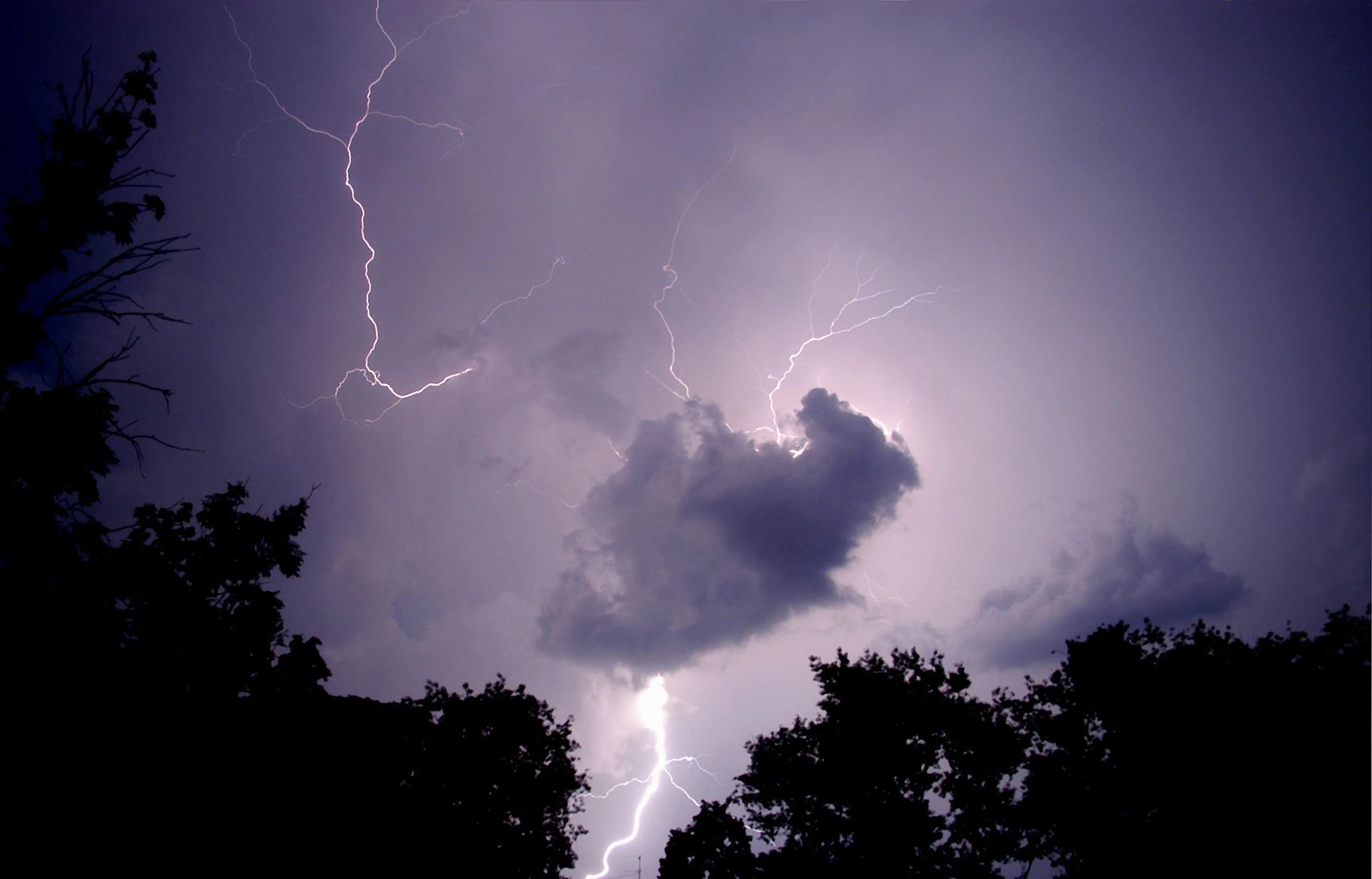
Lightning Can Cause Serious Electrical Damage
You don’t have to experience a direct lightning strike for your air conditioner to be damaged.
Lightning can create powerful electrical surges that travel through your home’s electrical system, damaging sensitive HVAC components such as:
- Capacitors
- Contactors
- Circuit boards
- Thermostats
- Compressors
- Variable-speed motors
Sometimes the damage is immediate, while other times it weakens electrical components that fail days or even weeks later.
Power Surges After Storms
When utility power goes out and is restored, voltage fluctuations can occur throughout your home’s electrical system.
These sudden surges can shorten the life of expensive HVAC equipment or prevent the air conditioner from starting altogether.
If your AC won’t turn on after a storm, avoid repeatedly resetting the breaker. A professional inspection can determine whether an electrical component has failed.
Falling Branches and Wind Damage
Georgia thunderstorms often produce strong wind gusts capable of knocking branches onto outdoor equipment.
Even if the damage appears minor, bent condenser fins or damaged fan blades can reduce efficiency and strain the compressor.
After a storm, inspect your outdoor unit for:
- Tree branches
- Leaves packed inside the coil
- Bent or crushed fins
- Damaged refrigerant lines
- Loose electrical disconnects
Never attempt repairs yourself if electrical damage is suspected.
Flooding Can Create Hidden Problems
Standing water around your outdoor unit doesn’t always mean permanent damage, but floodwaters can introduce mud, debris, and contaminants into electrical components.
If your condenser has been submerged or partially underwater, it should be inspected before being restarted.
Running flood-damaged equipment can create additional mechanical or electrical failures.
Warning Signs of Storm-Related HVAC Damage
Call a professional if you notice any of the following after severe weather:
- Your AC won’t start
- Warm air coming from the vents
- Breakers repeatedly tripping
- Burning odors
- Strange buzzing or humming
- Reduced airflow
- Ice forming on refrigerant lines
- Loud grinding or rattling noises
Prompt service often prevents more expensive repairs later.
How Whole-Home Surge Protection Helps
One of the best ways to protect your HVAC investment is installing a whole-home surge protector.
Unlike ordinary power strips, these devices protect major appliances throughout your home, including:
- Air conditioners
- Heat pumps
- Furnaces
- Refrigerators
- Smart thermostats
- Electronics
Considering the frequency of summer thunderstorms around Decatur, surge protection is a worthwhile investment for many homeowners.
What To Do After a Thunderstorm
If your neighborhood experiences severe weather, follow these simple steps before restarting your AC.
- Check your thermostat settings.
- Inspect your electrical breaker.
- Look for visible debris around the outdoor unit.
- Wait several minutes after power has been restored before restarting your system.
- Listen for unusual noises.
- If something seems wrong, turn the system off and call an HVAC professional.
Avoid repeatedly cycling the breaker or thermostat if the system won’t start.
Prevent Storm Damage Before It Happens
Routine maintenance helps identify worn electrical components before severe weather exposes weak points in your HVAC system.
Annual maintenance allows technicians to:
- Tighten electrical connections
- Test capacitors
- Inspect contactors
- Verify proper refrigerant charge
- Clean condenser coils
- Ensure safe operation
Preventative service not only improves reliability but can also extend the life of your air conditioning system.
Protect Your Comfort This Storm Season
Summer thunderstorms are simply part of life in Decatur, but they don’t have to leave you without air conditioning.
If your system isn’t working properly after a storm—or you simply want peace of mind—American Energy Heating & Air is here to help. Our experienced technicians can diagnose storm-related HVAC issues, perform reliable repairs, and recommend protective solutions like whole-home surge protection to help safeguard your system from future weather events.
Whether you need emergency AC repair, seasonal maintenance, or expert advice after severe weather, we’re committed to keeping Decatur homeowners comfortable all summer long.
Frequently Asked Questions
Can lightning damage my air conditioner without hitting my house?
Yes. Nearby lightning strikes can create powerful electrical surges through utility lines that damage HVAC components even if your home isn’t struck directly.
Should I cover my outdoor AC unit before a storm?
No. Air conditioners are designed to remain outdoors year-round. Covering the unit can actually trap moisture and reduce airflow if the cover isn’t removed before operation.
How long should I wait to restart my AC after a power outage?
Wait at least 5–10 minutes after power has been fully restored. Many modern systems also include a built-in delay to protect the compressor.
Is storm damage covered by homeowners insurance?
It depends on your policy and the cause of the damage. Damage from lightning or falling trees is often covered, while mechanical failures from normal wear and tear are generally not.
Should I have my AC inspected after every thunderstorm?
Not necessarily. However, if your system behaves differently, makes unusual noises, won’t start, or isn’t cooling properly after a storm, scheduling an inspection is a smart precaution.